Estate Jewelry: What It Is and How to Sell It in San Diego

Estate Jewelry: Quick Answer

Estate jewelry simply means previously owned jewelry. Here is what matters when selling it:

  • "Estate" means previously owned, not necessarily antique. Antique generally means 100+ years old; vintage typically means 20–99 years old.
  • Period matters to value. Victorian, Art Nouveau, Art Deco, and Retro pieces are valued differently from generic secondhand jewelry.
  • Original condition often beats restoration. Over-polishing or replacing original components can reduce a period piece's value.
  • Signed pieces carry premiums — maker's marks from recognised houses meaningfully affect value.
  • We evaluate the whole piece: stones, metal content, craftsmanship, period, and maker, rather than valuing it as scrap.
  • Evaluation is free and you can choose to sell outright or borrow against the piece.
Trusted Since 2014A decade serving San Diego
Licensed & InsuredCalifornia-licensed pawnbroker
Thousands of TransactionsDiamonds, watches, gold & more
Top-Rated in San Diego568 verified Google reviews

Estate Jewelry

DCL Jewelry & Loan buys and lends against estate, vintage, and antique jewelry every day. Below is a complete guide to what these terms actually mean, along with how our evaluation and selling process works.

What Is Estate Jewelry?

Estate jewelry describes pieces that were previously owned. It’s simply a more elegant way of saying “used” or “pre-owned” jewelry or timepieces. Both vintage and antique jewelry are types of estate jewelry, but the reverse isn’t true, not all estate jewelry is vintage or antique.

Jewelry is considered “estate” if it has a previous owner. Contrary to common belief, that previous owner may very well still be alive, and age has nothing to do with the classification either. Many estate pieces on the market today are 50, 100, or even 150+ years old, but age alone doesn’t make a piece “estate.” Estate jewelry is simply any piece that is used, whether it’s a month old or a century old.

Customers often ask if we source items from estate sales. Usually not, most of our fine pre-owned pieces come directly from family members who inherited them, or from original owners who no longer want or need them. Some come from trusts.
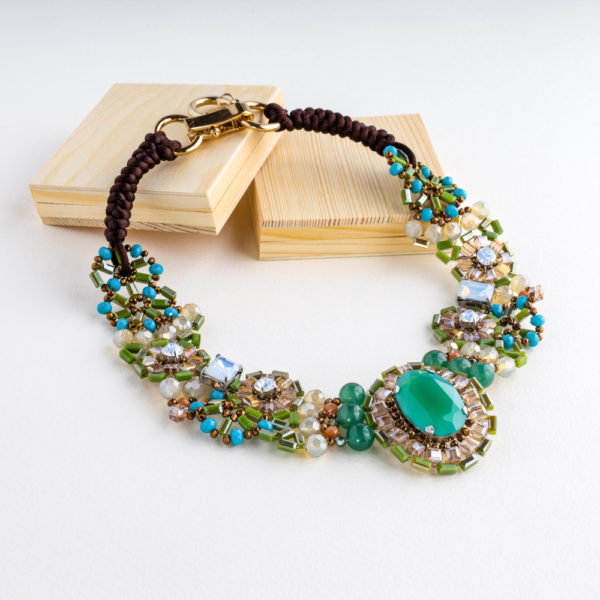
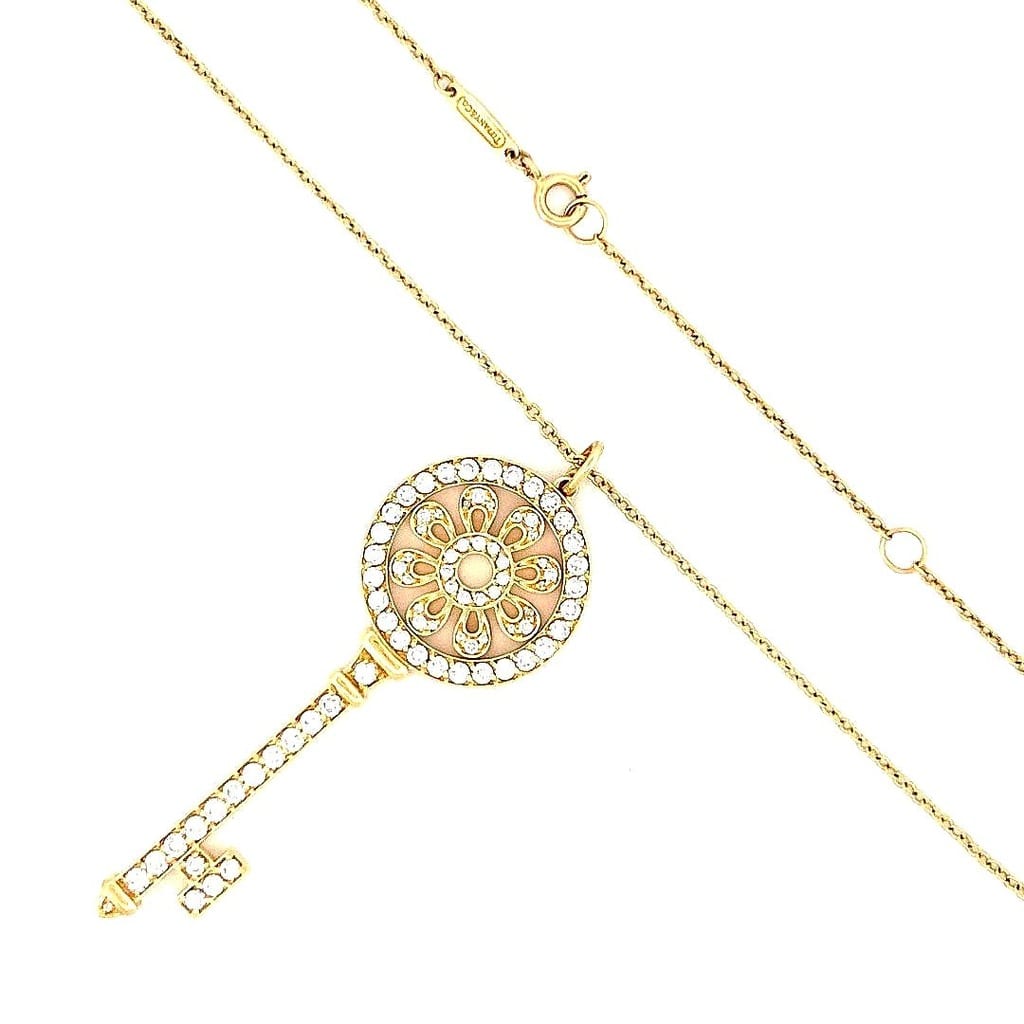
Estate necklace with large gemstone evaluated at DCL Jewelry & Loan
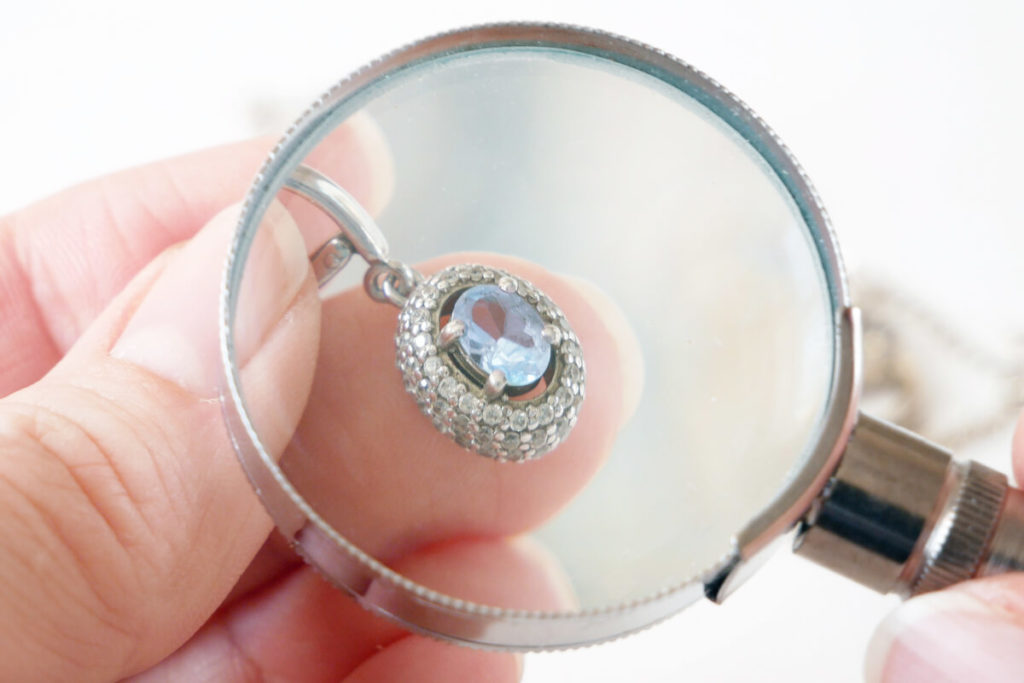
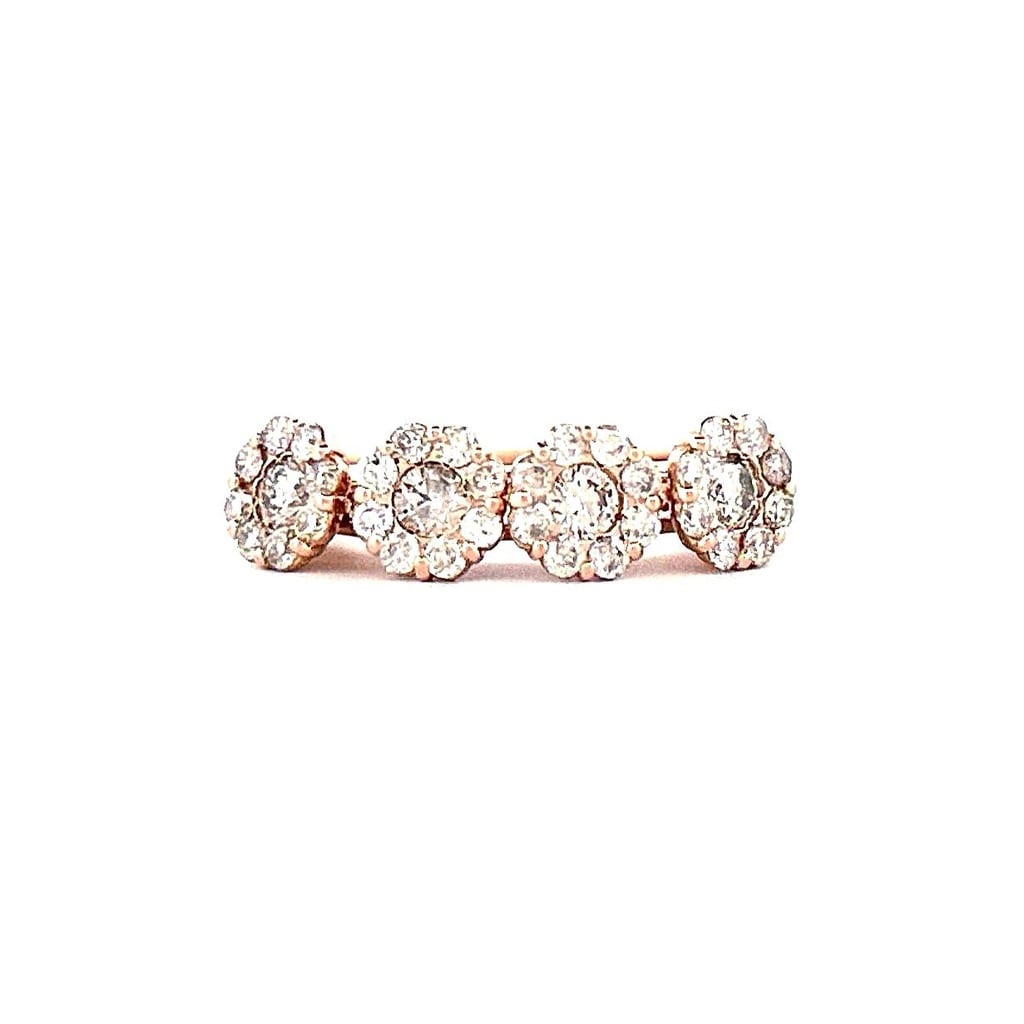
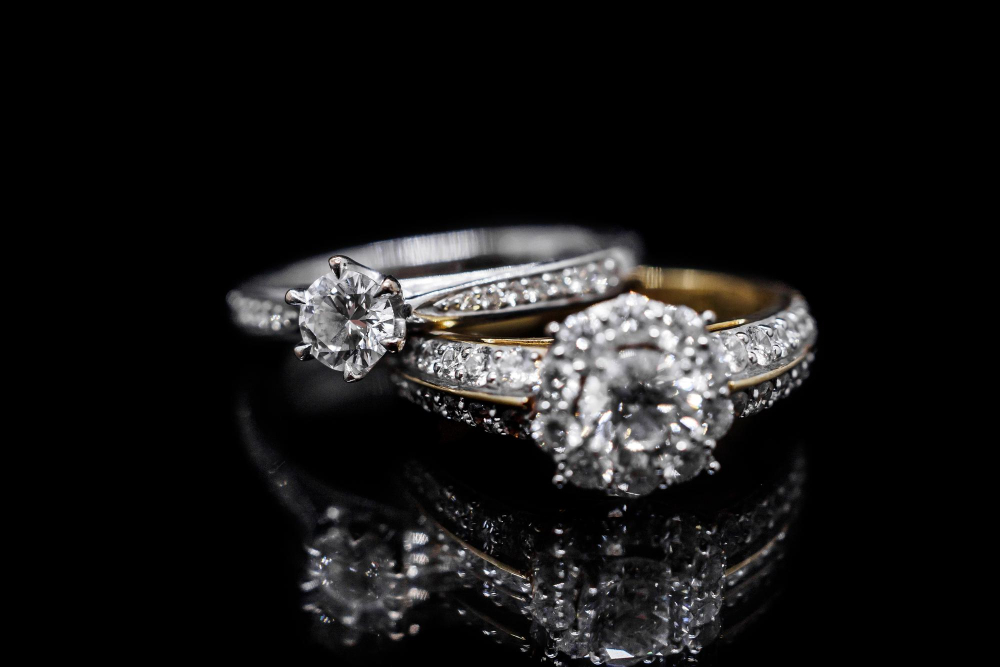
Close-up of an estate diamond ring evaluated at DCL Jewelry & Loan

The Difference Between Antique, Vintage & Estate Jewelry

Antique Jewelry

A piece of jewelry is considered “antique” if it’s over 100 years old. Antique jewelry is generally crafted with a superior level of craftsmanship from higher-quality materials compared to modern pieces, typically in yellow gold or platinum. Due to its relative scarcity and age, much antique jewelry is too valuable to be worn or even displayed regularly.
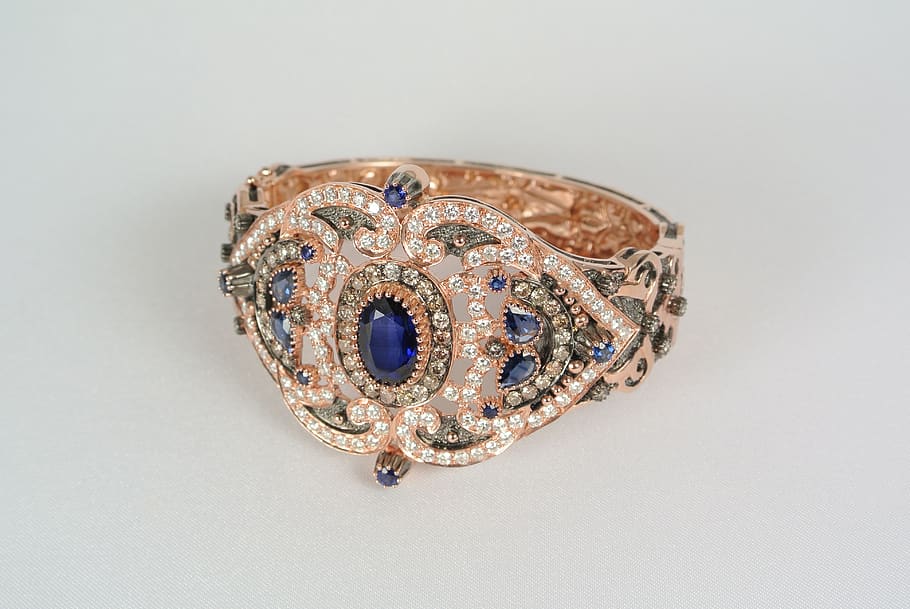
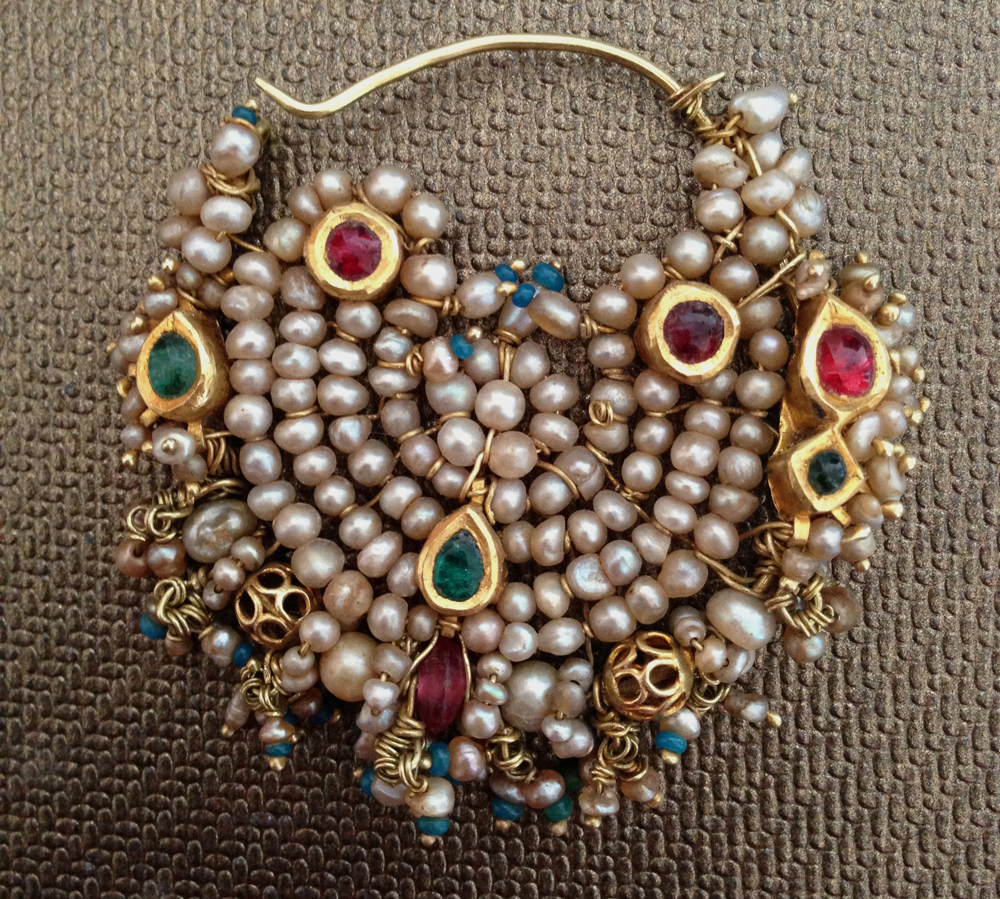
Antique bracelet evaluated for sale in San Diego Antique jewelry piece with intricate craftsmanship

Vintage Jewelry

A piece of jewelry is considered “vintage” if it’s between 50 and 100 years old, so anything before the 1980s currently qualifies. Many people picture costume jewelry when they hear “vintage,” but between the 1940s and 1980s, some of the finest crafted jewelry pieces were produced. Unlike antique jewelry, vintage pieces are often worn and displayed since they’re less likely to break, and their designs pair easily with today’s fashion trends.
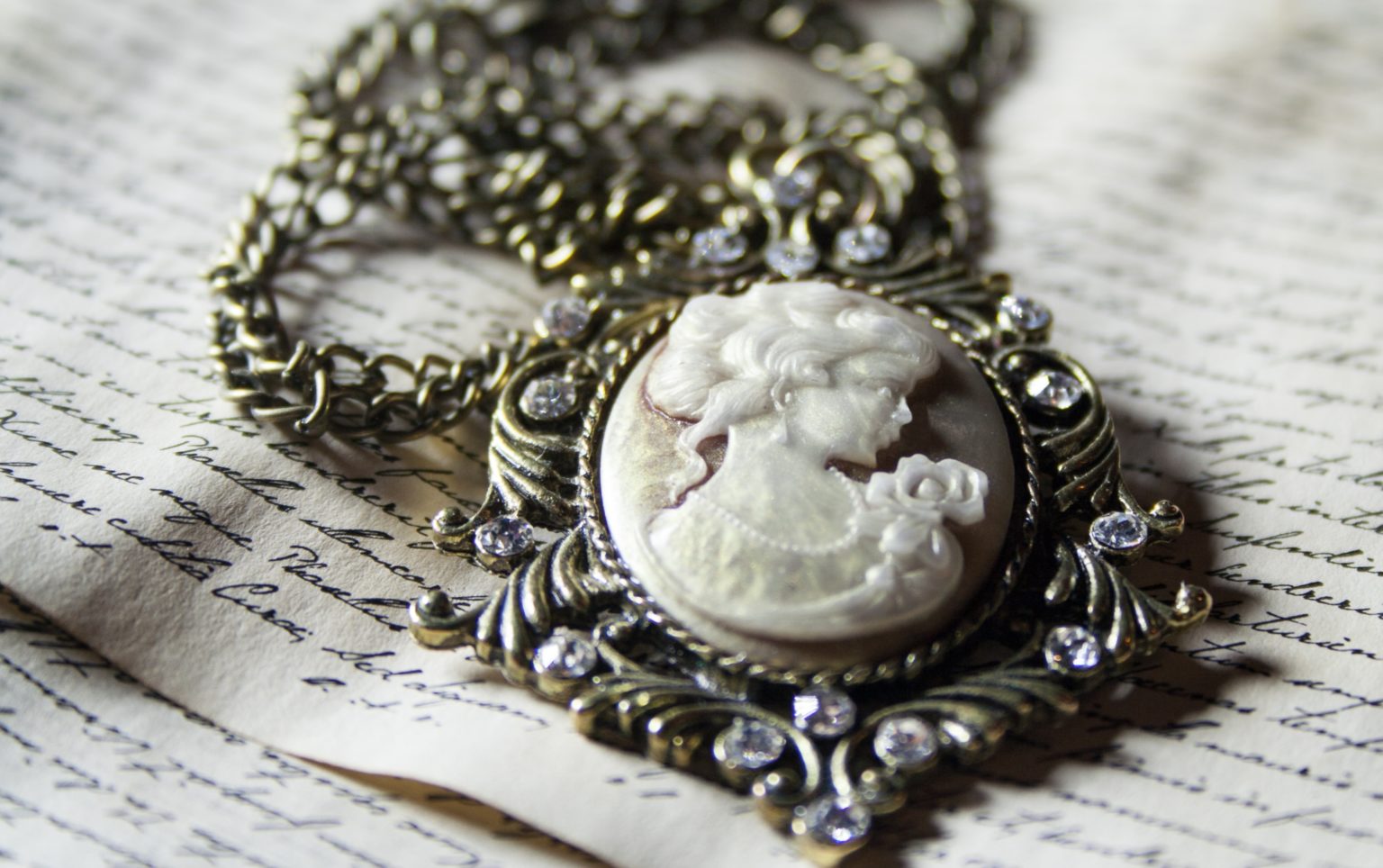
Vintage jewelry styling example

Types of Antique & Vintage Jewelry We Buy

Victorian Jewelry

Queen Victoria inspired many of the tastes of this period. These sentimental pieces include brooches, link bracelets, fans, and hair jewelry. Early in her reign, pieces took floral inspiration, with gold as a popular metal thanks to newly invented plating techniques, and gemstones like amethyst and garnet. After Prince Albert’s death, mourning jewelry emerged: black designs in gold with black enamel, followed by a Renaissance and Gothic revival. Later in the century, silver became the popular metal, with diamonds and pearls as the favored gemstones.

Art Nouveau Jewelry

Spanning the dawn of the 20th century, Art Nouveau designs rebelled against the excess of Victorian-era styles. Designers used unconventional materials like glass or enamel and crafted pieces by hand, setting aside industrial mass production. Pendants, necklaces, and hair ornaments were the signature pieces of this era, with designs inspired by natural elements: dragonflies, flowing hair, female figures, plants, and flowers. These pieces favored curved silhouettes and materials like silver, enamel, moonstones, and horn.

Art Deco Jewelry

Thriving between World War I and II, Art Deco jewelry reflected the opulence of the Roaring Twenties. Music and art inspired these designs, and the Jazz Age prompted bold use of color and shape, along with exotic elements in simple, angular, geometric forms. White gold and platinum were common metals, with diamonds heavily used throughout. Popular pieces included long earrings, rings, stacked bracelets, and flapper beads.

Retro Jewelry

World War II left a lasting impact on this period. As men went to war and women entered the workplace, jewelry and fashion grew in popularity. Platinum, the dominant pre-war metal, became scarce, so designers turned to gold and rose gold instead. Retro pieces favor bold, chunky floral designs, with colored gemstones like aquamarine and topaz, and clip-on earrings positioned close to or just below the ear.

How We Evaluate Estate Jewelry

Estate, vintage, and antique jewelry is evaluated a little differently than modern pieces. Beyond metal purity and stone quality, we also consider the piece’s age, maker, historical period, craftsmanship, and collector demand, since a well-preserved period piece can be worth significantly more than its melt value alone. Our specialists are experienced in identifying jewelry from every era covered above, so you get credit for the history and craftsmanship, not just the raw materials.

Ready to sell? See our Sell Jewelry in San Diego page for our full evaluation and payment process, or learn about borrowing against your estate jewelry instead of selling outright.

Contact Us Today With Any Questions

Book an Appointment

Estate Jewelry We Buy

Real pieces and real work from our Carmel Valley showroom — not stock catalogue photography.
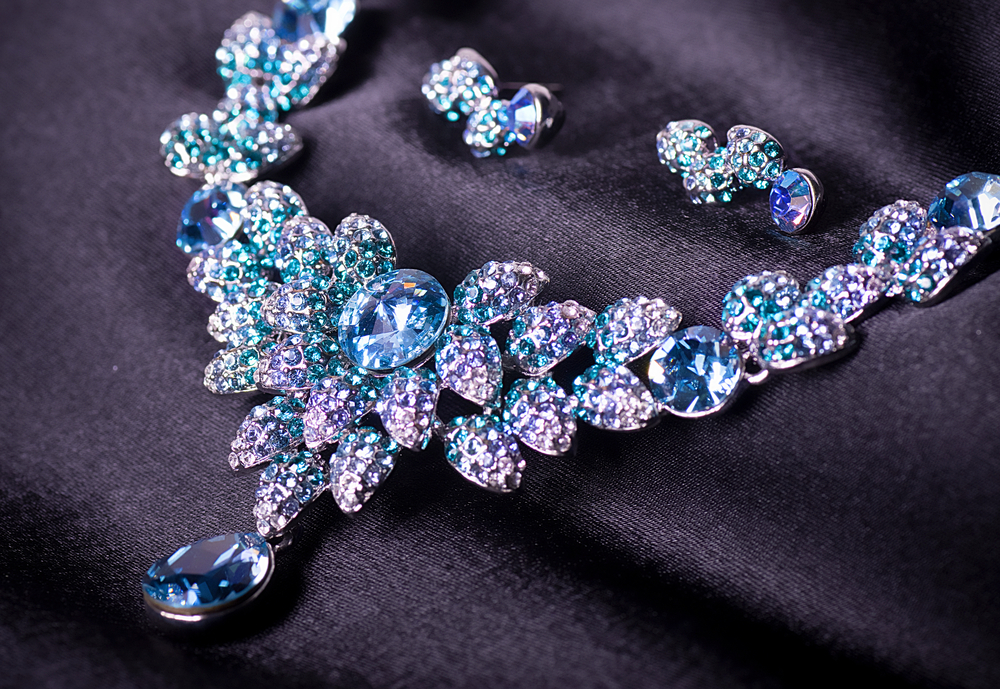
Estate jewelry displayed on a dark background
Determining the value of inherited jewelry
Antique jewelry piece
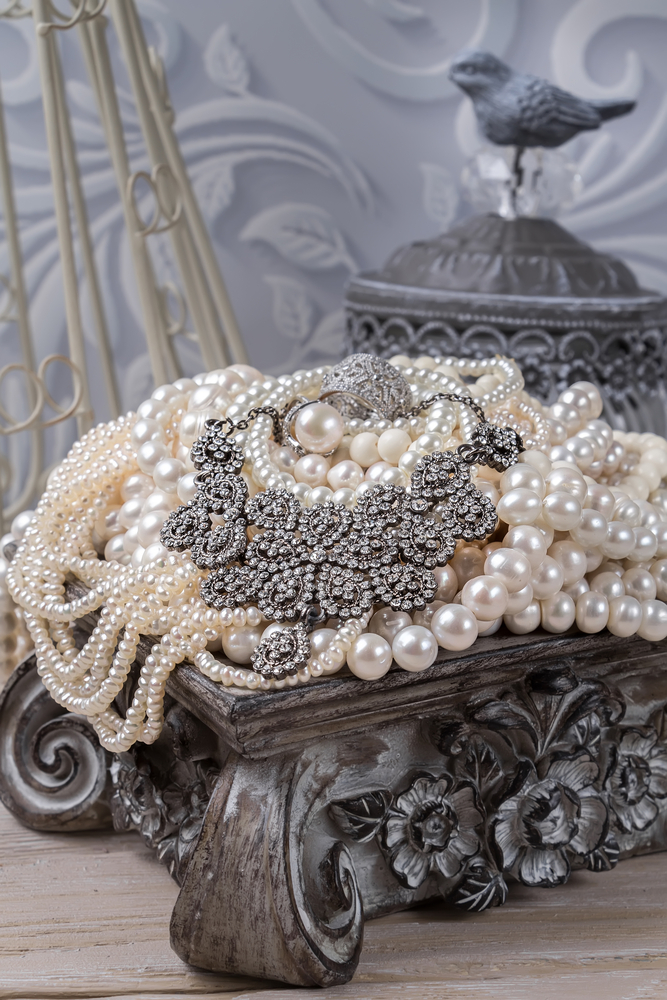
Luxury jewelry box with pearls and crystals
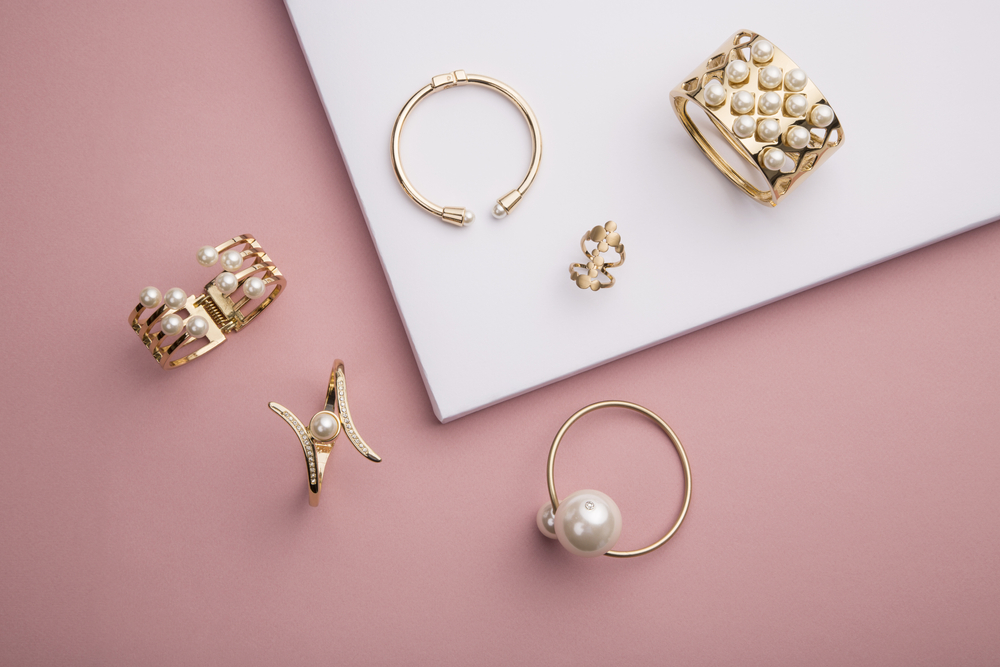
Gold and diamond ring jewelry
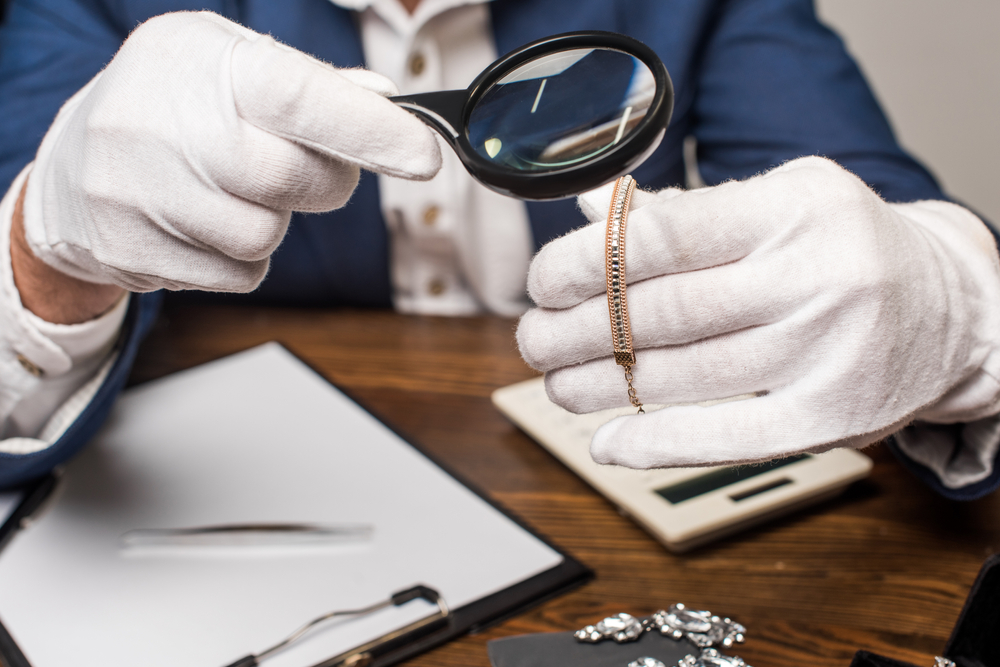
Appraiser examining an estate necklace with a magnifying glass

Why San Diego Chooses DCL Jewelry & Loan

Period Pieces Valued as Period Pieces

Antique and vintage jewelry is assessed on craftsmanship, period, and maker, not melted down and valued as scrap metal.

Licensed California Pawnbroker

We operate under California Department of Justice pawnbroker licensing, which means regulated recordkeeping, defined loan terms, and legal protections for you and your property.

Fully Confidential

No credit checks, no employer calls, and nothing reported to credit bureaus. Private appointments are available for high-value pieces.

Evaluated In Front of You

Your item never leaves the room. We test, inspect, and explain exactly how we reached a number, so you see the reasoning rather than just the offer.

Secure, Insured Storage

Items held as collateral are stored in a secured, insured environment for the duration of the loan and returned in the same condition.

Same-Day Funding

Most evaluations are completed during your visit, with funding available the same day once you accept an offer.

Serving San Diego Since 2014

A decade of local transactions across diamonds, luxury watches, gold, and estate jewelry, with a public Google review record you can read before you visit.

Related Services

What Estate Jewelry Clients Say About Us

Fine Jewelry From Our Collection

Areas We Serve Across San Diego County

Our Carmel Valley showroom serves clients throughout San Diego County, with private appointments available for high-value pieces.

Carmel ValleyDel MarLa JollaRancho Santa FePowayEncinitasSolana BeachCarlsbadCoronadoPoint LomaDowntown San DiegoUTC / University CityScripps RanchRancho Bernardo4S RanchNorth County

Frequently Asked Questions

Estate jewelry is any pre-owned piece, regardless of age. Vintage jewelry is 50 to 100 years old. Antique jewelry is over 100 years old. All vintage and antique jewelry is estate jewelry, but not all estate jewelry is vintage or antique.

Not usually. Most of the estate jewelry we buy comes directly from family members who inherited it or original owners who no longer want it, though some comes through trusts.

No. Age is one factor among several, including maker, craftsmanship, condition, materials, and collector demand. A well-preserved, well-known period piece can be worth more than an older piece in poor condition.

Yes, our specialists are experienced in identifying jewelry from Victorian, Art Nouveau, Art Deco, Retro, and other periods based on materials, construction, and design details.

No documentation is required, though any history or paperwork you have can add helpful context during evaluation.

Yes, estate and antique jewelry can be used as collateral for a cash loan, just like any other fine jewelry we accept.

Scroll to Top