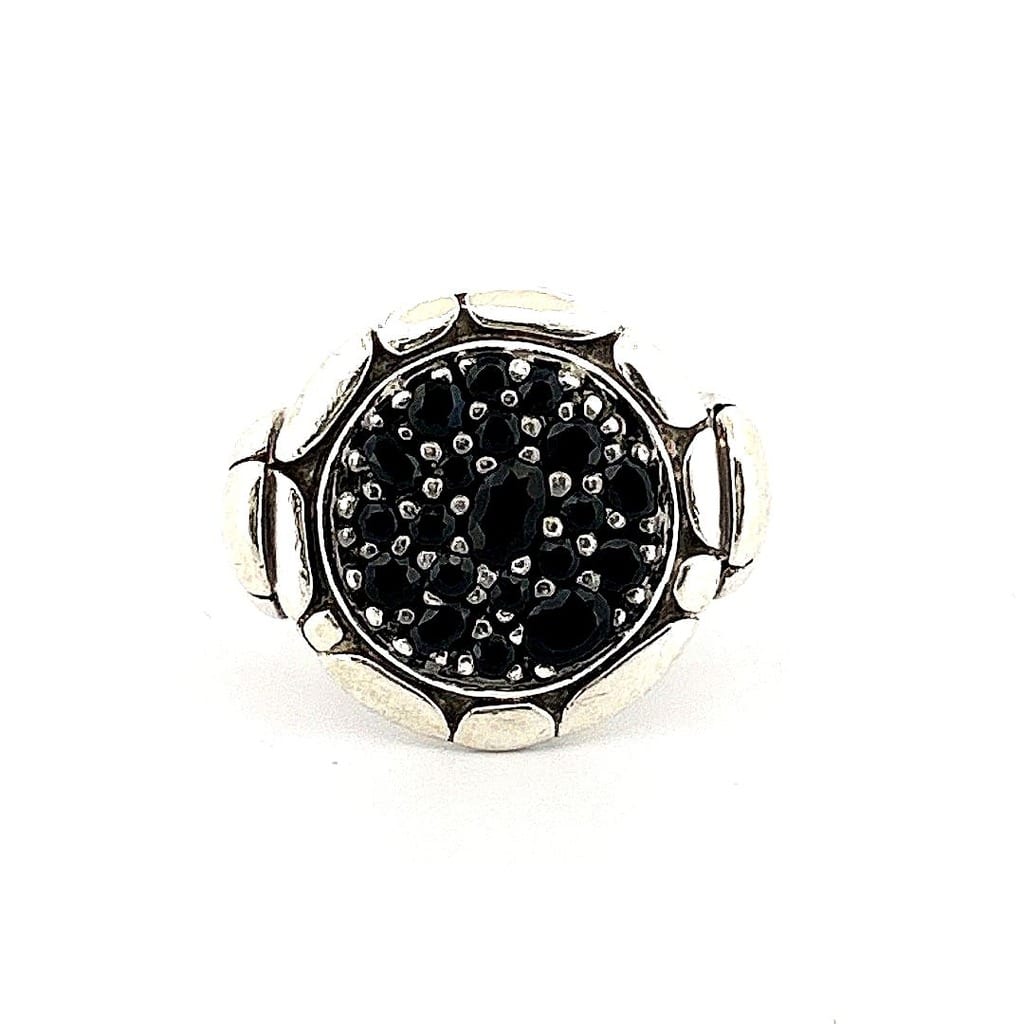
John Hardy Kali Pure Lavafire Black Sapphire Ring
Explore the John Hardy Kali Pure Lavafire Ring with black sapphires, a sterling silver masterpiece available now.
BOOK APPOINTMENT | CALL : +1-858-324-0064 | Trusted Since 2014
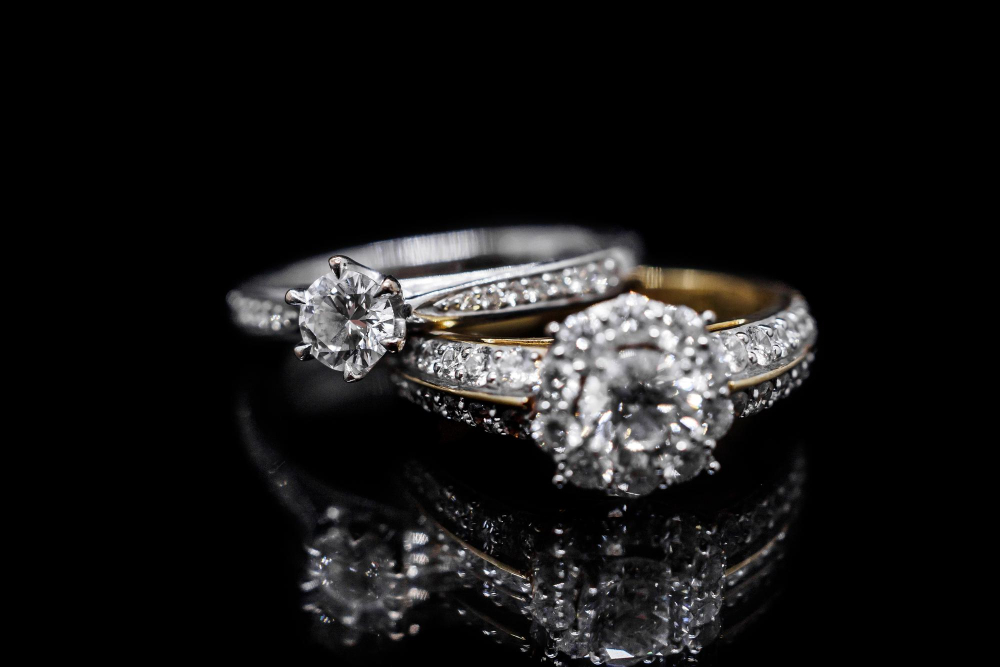
A complete, transparent guide to the 4 Cs and everything else that determines your diamond’s worth.
Diamond value comes down to measurable characteristics plus current market demand. Here is the short version:
Carat measures weight, not size, one carat equals 200 milligrams, and larger stones are rarer and worth more per carat. Cut determines how well a diamond reflects light based on its proportions and facets. Color is graded from D (colorless) to Z (light yellow/brown); vivid “fancy color” diamonds are graded separately and can command real premiums. Clarity measures internal inclusions and surface blemishes.
A GIA certificate provides an independent, trusted assessment of a diamond’s exact grading, especially valuable for larger stones. We don’t require certification to evaluate or buy a diamond, but it typically speeds up the process and can support a stronger offer.
Ready to sell or borrow against your diamond? See our Sell Diamonds or Diamond Loans pages.
| Grade | Meaning |
|---|---|
| FL / IF | Flawless / Internally Flawless |
| VVS1 / VVS2 | Very, Very Slightly Included |
| VS1 / VS2 | Very Slightly Included |
| SI1 / SI2 | Slightly Included |
| I1 / I2 / I3 | Included, visible to the naked eye |
| Grade | Effect |
|---|---|
| Excellent | Maximum brilliance and fire |
| Very Good | High brilliance, minimal light loss |
| Good | Solid brilliance and value |
| Fair / Poor | Noticeable light loss, less lively appearance |
| Range | Description |
|---|---|
| D – F | Colorless |
| G – J | Near colorless |
| K – M | Faint color |
| N – Z | Light to noticeable color |
Beyond the overall cut grade, GIA reports also assess symmetry (how precisely the facets align) and polish (the smoothness of each facet surface). Both are graded Excellent to Poor and affect how efficiently a diamond handles light. Two diamonds with the same cut grade can look noticeably different if their symmetry or polish differ.
Beyond the 4 Cs, a diamond’s value is also shaped by rarity (larger stones and unusual colors are disproportionately rare), branded or designer settings, and current secondary and auction market demand for that combination of characteristics. Market conditions shift over time, so the same diamond can be worth different amounts at different points, which is why we always price based on current conditions rather than fixed price lists.
Diamonds don’t have one single “value,” they have several, depending on context:
When we evaluate your diamond for purchase or loan, we base our offer on wholesale and secondary market value, not retail or insurance replacement value.
Real pieces and real work from our Carmel Valley showroom — not stock catalogue photography.
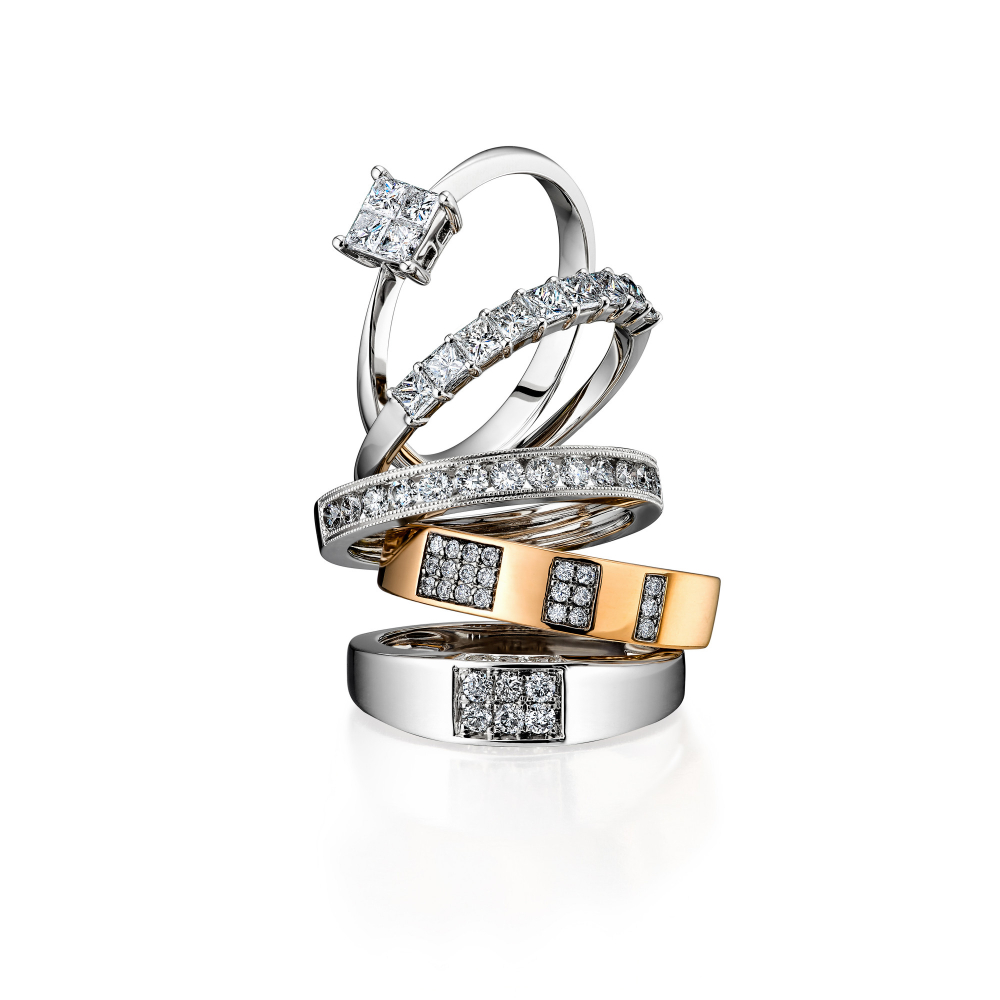
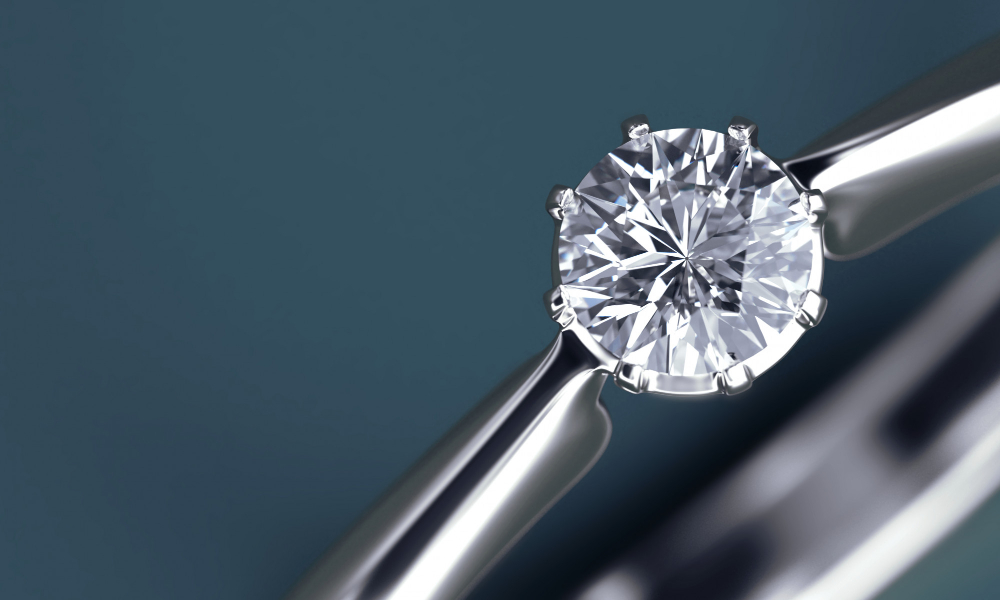


We walk through each grading factor as we assess it, so you understand why a stone is priced the way it is rather than receiving an unexplained figure.
We operate under California Department of Justice pawnbroker licensing, which means regulated recordkeeping, defined loan terms, and legal protections for you and your property.
No credit checks, no employer calls, no reporting to credit bureaus. Private appointments are available for high-value pieces, and your transaction stays between you and us.
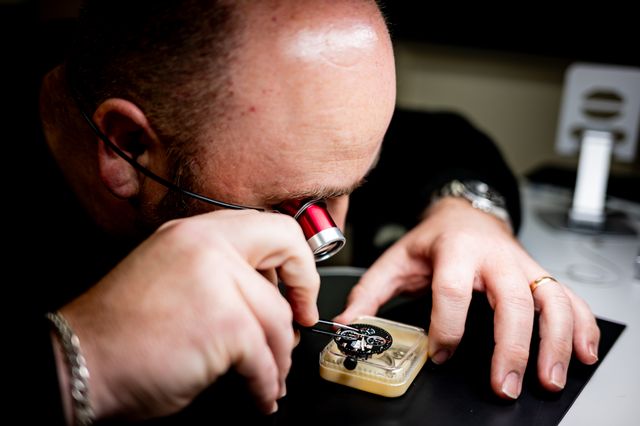
Your item never leaves the room. We test, inspect, and explain exactly how we reached a number, so you can see the reasoning rather than just the offer.
Items held as collateral are stored in a secured, insured environment for the duration of the loan and returned in the same condition.
Most evaluations are completed during your visit, and funding is available the same day once you accept an offer.
A decade of local transactions across diamonds, luxury watches, gold, and estate jewelry, with a public Google review record you can read before you visit.
Get a free evaluation and same-day offer.
Learn more →Borrow against your diamond instead.
Learn more →Our gold purity testing methodology.
Learn more →Inherited and antique piece evaluation.
Learn more →Full fine jewelry buying service.
Learn more →Servicing and restoration.
Learn more →EXCELLENT Based on 568 reviews
 Posted on Google
 TerryI needed to sell my very pretty gold wedding set. I found DCL and made an appointment. He was very nice. Gave me a good far deal. Thank You.Posted on Google
 Jack SousaVery friendly and professional. Mike answered all my questions and appraised my jewelry at a very acceptable price. Excellent people to do business with!Posted on Google
 ivory castilloI was so pleased with the efficiency of the entire process. Arriving right at opening allowed for a wonderfully unhurried experience. The business transaction was exceptionally smooth from start to finish. Every step was handled with professionalism and care. I truly appreciate the seamless service Mike provided. I will definitely come back to do business here again. Great pricing, their purses are in pristine condition. 1100 present recommended.Posted on Google
 Joel GutierrezEven on holidays like today, I am able to get professional assistance with my jewelry needs. Forever a returning customer.Posted on Google
 jeff johnsonI'm not really good at writing reviews. But the people were very nice and knowledgeable about the product and at a had a fair price. When I come back to San Diego, I'm for sure to stop back inPosted on Google
 Randall LuettickeVery nice people, very fair.Awesome place to go to sell or buyPosted on Google
 Monica PalaciosSuper quick and easy, instant cashPosted on Google
 Farhad IbrahimI had an exceptional experience at DCL Jewelry & Loan and wanted to take a moment to recognize Cari and Brian for their outstanding service. From start to finish, they were professional, knowledgeable, and incredibly helpful. They made the entire experience comfortable, easy, and stress-free while treating me with honesty and respect. What truly stood out was their dedication to providing excellent customer care. Cari and Brian went above and beyond to answer questions, ensure I felt confident throughout the process, and provide a level of professionalism that is rare to find today. If you are looking for a trustworthy, professional, and customer-focused place, I highly recommend DCL Jewelry & Loan. A huge thank you to Cari and Brian for making my experience such a positive one. Their professionalism and commitment to great service truly deserve recognition.Verified by TrustindexTrustindex verified badge is the Universal Symbol of Trust. Only the greatest companies can get the verified badge who has a review score above 4.5, based on customer reviews over the past 12 months. Read more
Explore the John Hardy Kali Pure Lavafire Ring with black sapphires, a sterling silver masterpiece available now.
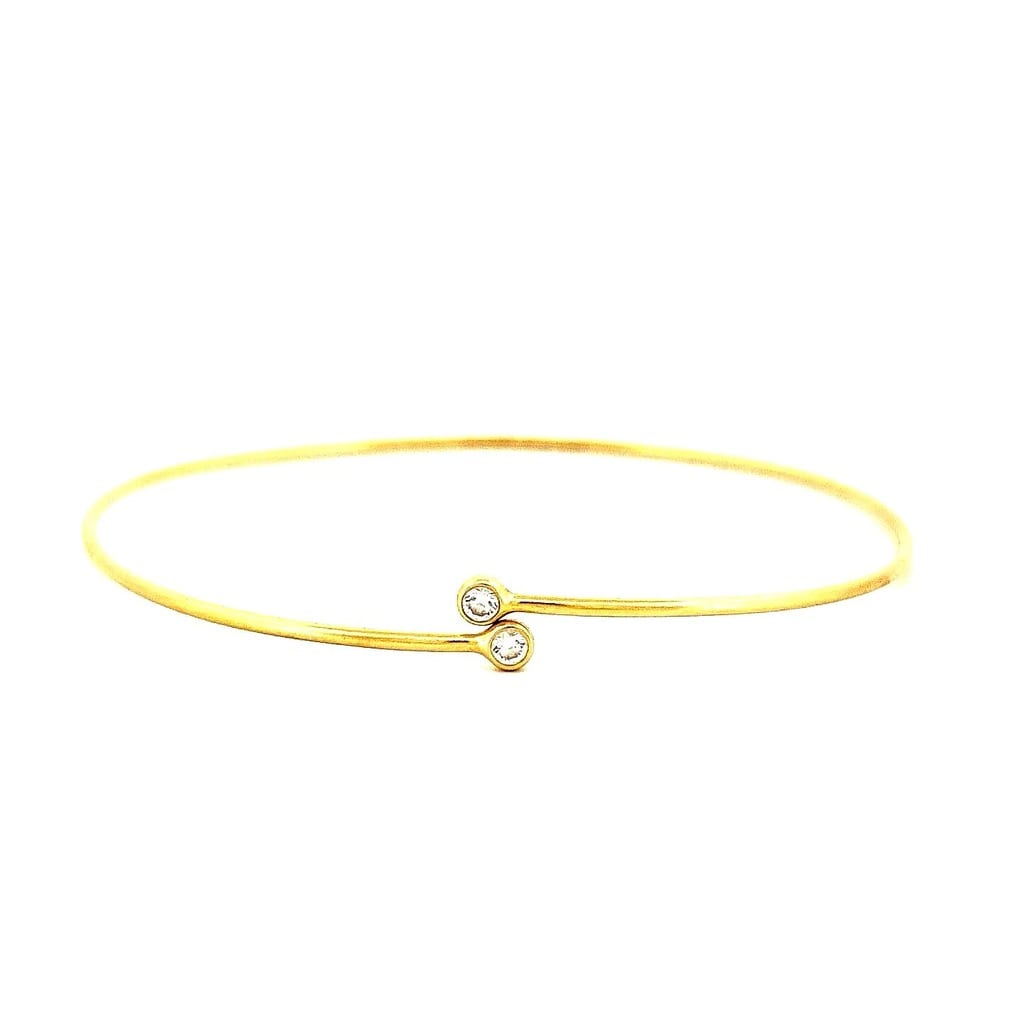
Explore the timeless elegance of the Tiffany & Co. Elsa Peretti Diamond Bangle, an exquisite piece of luxury jewelry.

Explore the elegance of the 14K Yellow Gold Paperclip Chain Necklace, ideal for any occasion. Available now at DCL Jewelry & Loan, San Diego.
Our Carmel Valley showroom serves clients throughout San Diego County, with private appointments available for high-value pieces.
See more real evaluations, tips, and behind-the-scenes looks on our YouTube channel.
Carat (weight), cut (how well it’s proportioned), color (how colorless it is), and clarity (how few visible inclusions it has).
All four interact together, but generally cut has the biggest impact on visual brilliance, while carat weight has the biggest impact on price per stone.
No, but it’s very helpful for larger diamonds since it provides an independent, trusted grading that can support a stronger offer.
Yes, round brilliant diamonds typically carry a premium over fancy shapes like princess, cushion, or emerald cuts.
Fluorescence is how a diamond glows under UV light. Depending on intensity and color grade, it can slightly increase or decrease value.
Yes, cut, color, and clarity can cause significant value differences even between diamonds of identical carat weight.
Cut grade is an overall assessment of proportions and light performance. Symmetry and polish are separate, more granular measurements of facet alignment and surface smoothness that also affect appearance.
Rarity, brand or designer setting, and current market demand for that specific combination of characteristics can all cause value differences beyond the core 4 Cs.
Insurance replacement value is the cost to buy a similar item new at retail, it’s the highest of all diamond valuations and isn’t what we base purchase or loan offers on. We price based on wholesale and secondary market value.
Auction and secondary market results for comparable stones help inform current market demand, particularly for rare or fancy colored diamonds.